Historical Development of Betting Markets in Gambia
Gambia’s gambling landscape has undergone significant transformations over recent decades, reflecting shifting governmental policies, social attitudes, and technological advancements. Historically, gambling was a popular pastime among Gambians, with a variety of betting activities, including local sports betting and informal betting schemes, playing an integral role in community entertainment and social interactions.
However, the trajectory of gambling in Gambia faced a major turning point in 2015 when the government implemented a country-wide ban on all forms of gambling. The official stance aimed to mitigate youth exposure to gambling addiction and promote social welfare by preventing potential financial and social harms associated with betting activities. This ban effectively curtailed the operations of both brick-and-mortar bookmakers and online betting platforms, creating a period of stagnation in the local gambling market.

Despite the strict regulations, the demand for betting persisted among Gambian enthusiasts. Recognizing the economic and social importance of gambling, the Gambian government revisited its policies in 2017. An executive order was issued, effectively reversing the 2015 ban and opening the betting markets once more. This decision was driven by the recognition of gambling’s potential to create economic opportunities, generate tax revenues, and foster local entrepreneurial ventures within the industry.
Since the reversal, the betting markets in Gambia have experienced substantial growth. The regulatory environment remains relatively flexible, with no comprehensive licensing authority established specifically for gambling oversight. This regulatory gap has led to a burgeoning online betting scene, with numerous international platforms accepting Gambian players, further fueling market expansion.
In recent years, the Gambian betting industry has embraced technological innovations, predominantly online betting platforms, which offer locals convenient access to a broad spectrum of betting options, including sports markets, casino games, and virtual betting events. This digital shift has contributed to a vibrant and rapidly evolving market landscape, presenting both opportunities and challenges for regulators, operators, and consumers alike.
As the market continues to develop, the combination of renewed legal acceptance, technological integration, and increasing international involvement suggests that betting markets in Gambia are poised for sustained growth. The evolving regulatory framework, alongside the expansion of online platforms, plays a pivotal role in shaping the future trajectory of Gambian betting markets, with a potential for more structured oversight and consumer protection measures to emerge in response to market expansion and international best practices.
Historical Development of Betting Markets in Gambia
Gambian betting markets have undergone significant transformation over the past few decades, reflecting broader social, economic, and technological shifts within the country. Before the late 20th century, betting activities were largely informal and localized, often conducted within small community gatherings or through clandestine means. These early betting practices primarily revolved around traditional games and local sports, with limited scope for commercial or institutional involvement.

The introduction of more structured gambling activities began during the colonial period, with the establishment of small betting shops and the popularization of lottery-style games. However, it was not until the country's independence in 1965 that these activities experienced substantial growth, spurred by the liberalization of the economy and the gradual acceptance of gambling as a form of entertainment and revenue generation.
Throughout the 1980s and 1990s, the gambling scene in Gambia expanded with the emergence of new operators, often operating without formal regulation. This era saw an increase in the number of betting shops, particularly in urban areas, along with the rise of sports betting, especially on popular football matches. Despite this growth, regulatory oversight remained minimal, leading to concerns about fair play, consumer protection, and illegal practices.
The critical turning point in the development of Gambia's betting markets occurred in 2015 when the government briefly banned all gambling activities citing social concerns, particularly the impact on youth. This ban led to a decline in formal betting operations but did not entirely eradicate betting practices, which continued clandestinely and through illegal channels.
Following the change in leadership and policy shifts, the Gambian government reinstated legal betting activities in 2017 through an executive order, setting the stage for a resurgence of betting markets. This period marked the beginning of a new era characterized by industry liberalization and increased international engagement. The rapid growth of online betting platforms has been a defining feature of this phase, as local consumers gained access to a broader array of betting options beyond traditional sports and local lotteries.
The advent of internet technology in the 2010s radically altered the betting landscape, enabling Gambians to participate in online sports betting, casino games, and virtual events. This digital revolution has democratized access, reduced reliance on physical betting shops, and facilitated market expansion. Numerous international operators now accept Gambian players, contributing to a highly competitive environment with diverse offerings, sophisticated platforms, and innovative betting products.
The ongoing evolution of the markets has also prompted discussions about regulation and consumer protection. While the regulatory framework remains relatively sparse, there is increasing recognition of the need for structured oversight to address issues such as fair play, responsible gambling, and anti-money laundering measures. As the market continues to expand, it is foreseeable that Gambia will pursue more comprehensive regulations, aligning more closely with international standards and best practices.
In recent years, technological advancements such as mobile betting apps, live streaming, and real-time odds updates have further fueled growth. These innovations make it easier for Gambian bettors to engage with multiple betting markets, ranging from football and basketball to eSports and virtual sports. Consequently, the betting industry has become a vital component of Gambia's entertainment economy, attracting investment, creating jobs, and generating tax revenues that could support broader economic development initiatives.
Overall, the development of betting markets in Gambia reflects a complex interplay of historical, social, and technological influences. From its informal roots to a vibrant online industry, the Gambian betting scene continues to adapt and grow, offering new opportunities while posing regulatory and societal challenges that will require attentive management in the future.
Historical Development of Betting Markets in Gambia
The evolution of betting markets in Gambia is marked by a journey from informal, often localized activities to a burgeoning online industry that encompasses a wide array of betting options. Initially, gambling in Gambia was characterized by informal setups, including local bookmakers operating in markets, cafes, and community spaces. These early forms of betting were largely unregulated, reflecting traditional social and cultural engagement with games of chance and sporting events.
With independence in the 1960s, the Gambian government initially adopted a cautious stance toward gambling, primarily viewing it as a social issue that could lead to addiction and social disorder. However, as global trends in betting and gambling became more prominent, there was a gradual shift towards formalizing the industry. Despite this, comprehensive legislation and regulatory frameworks remained sparse, and many betting activities continued to operate in a semi-organized manner, often under the radar.
By the early 2000s, technological advancements began to influence the Gambian betting landscape significantly. The proliferation of mobile phones and internet access facilitated the growth of online betting platforms, attracting a new demographic of sports enthusiasts and gamblers seeking more regulated and accessible options. International operators began to target Gambian bettors, with many platforms offering local currency transactions and tailored promotions to cater to the local market. This period marked a pivotal turning point, transforming the betting industry from predominantly offline to a hybrid ecosystem integrating both physical and digital forms.

The legalization and regulation of betting markets gained momentum after the government’s decision to lift the 2015 ban on gambling activities in 2017. This move opened doors for a more structured approach to oversight, paving the way for international operators to establish a legal presence within the country. Consequently, the Gambian betting sector experienced a resurgence, with increased transparency, consumer protection measures, and market competition.
Throughout the 2010s, the industry saw continual growth driven by rising internet penetration, the emergence of smartphone usage, and the increasing popularity of sports betting—particularly football, which resonates deeply with Gambian society. The sector's evolution has been also influenced by global trends such as live betting, virtual sports, and eSports, which now form significant components of the market.
Today, the Gambian betting environment stands at the intersection of tradition and innovation. While traditional bookmaking continues in physical locations, online platforms dominate, offering bettors a diverse range of betting markets. This progression reflects broader social and economic shifts, with the industry increasingly contributing to the local economy, generating employment, and providing opportunities for cross-border investments. The historical trajectory of Gambian betting markets underscores an ongoing adaptation to changing technological, regulatory, and societal landscapes, setting a foundation for continued growth and modernization.
Historical Development of Betting Markets in Gambia
The betting markets in Gambia have undergone significant transformations over the decades, reflecting broader societal shifts and economic policies. In the early days, gambling was largely informal, concentrated around local betting shops and community gatherings, especially in urban centers like Banjul and Serrekunda. These traditional venues thrived based on social interactions, with familiar bookies operating in physical locations, often behind closed doors, due to the lack of formal regulation.
The introduction of formal betting markets gained momentum after the Gambian government’s crackdown on illegal gambling in the late 2000s, which aimed to curb unregulated activities and protect consumers. However, the real turning point came in 2015 when the government imposed a complete ban on all gambling-related activities, citing concerns over youth addiction and social instability. This ban, however, stifled the growth of the industry and pushed many operators underground, leading to a decline in transparency and consumer confidence.
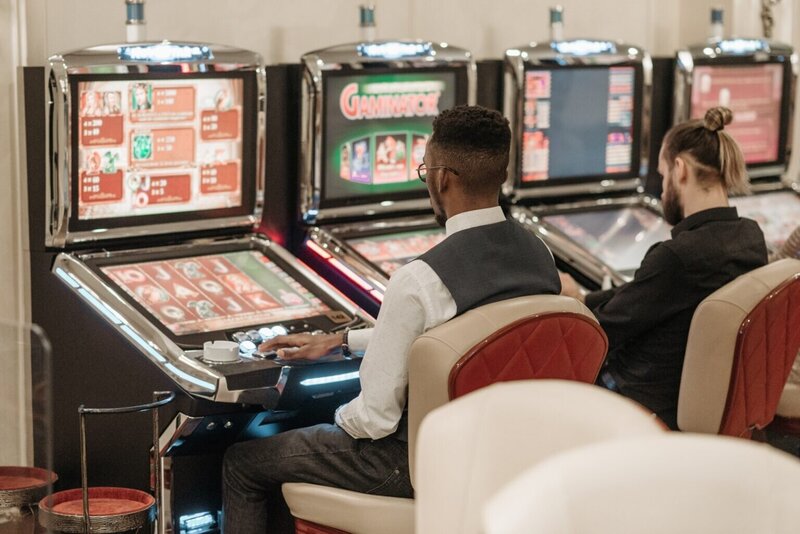
Following the political changes in 2017 and the subsequent legalization of gambling, the betting landscape in Gambia experienced a resurgence. The legalization act facilitated the emergence of formal, regulated betting markets, both in physical shops and increasingly through online platforms. The legal reforms also introduced a framework for licensing and oversight, fostering a safer environment for bettors and encouraging international operators to establish their presence.
Over the past five years, the industry has adapted swiftly to technological advancements, with internet penetration and smartphone adoption fueling online betting's rise. Today, Gambian bettors have access to a myriad of betting options ranging from traditional sports to virtual sports and eSports, mirroring global betting trends. The evolution from informal, localized betting to a modern, regulated industry signifies Gambia’s commitment to developing a sustainable betting sector capable of contributing to the economy, generating employment, and attracting cross-border investments.
The historical development reflects a trajectory of resilience and adaptation, with regulations gradually aligning with international standards. The industry continues to evolve amidst societal debates about risks and benefits, but its growth underscores its importance as a socio-economic driver, integrating traditional gambling practices with innovative digital solutions that meet contemporary demands.
Historical Development of Betting Markets in Gambia
The betting industry in Gambia has undergone significant transformation over the past few decades, reflecting broader socio-economic and political shifts within the country. In the early periods, betting and gambling activities were primarily informal, localized, and largely unregulated, often taking place in small community gatherings or through traditional betting practices. These early forms of betting were deeply rooted in Gambian culture, especially in rural areas where community-based wagering on local events, such as wrestling or traditional games, was common.
The turning point in the history of Gambian betting markets arrived in 2015 when the government imposed a ban on all gambling activities, citing concerns over youth addiction and social issues. This prohibition suppressed the industry significantly, pushing much of the activity underground or encouraging interstate and international operations via unregulated channels. Despite the ban, the demand for betting services persisted, fueled by a passionate sports culture, predominantly centered around football and wrestling, and the widespread use of mobile technology.

The industry experienced a critical resurgence in 2017 when the Gambian government, under a new administration, issued an executive order to lift the gambling ban. This legal reform was pivotal, transforming the betting landscape from an informal, largely unregulated activity to a more structured industry. The new legal environment introduced the possibility for licensing and regulatory oversight, even though a dedicated gambling authority remains absent. This shift opened the door for both local entrepreneurs and international operators to establish a presence in Gambia, thereby expanding access to regulated betting markets.
Throughout the subsequent years, there has been a dynamic evolution characterized by expanding betting options, technological adoption, and integration with digital platforms. The rapid proliferation of internet access and smartphone usage played a crucial role, enabling bettors to participate conveniently from any location. The industry’s resilience reflects a flexible adaptation to changing societal attitudes, technological innovations, and legislative adjustments, positioning Gambia as a burgeoning hub for modern betting markets in West Africa.
This historical trajectory demonstrates a pattern of resilience and gradual integration into the global betting economy. It exemplifies how regulatory frameworks and technological advancements can stimulate industry growth, even within environments that initially lack comprehensive oversight. As more Gambian players access a variety of betting options, from traditional sports to virtual and eSports, the trajectory suggests continued development, balancing market expansion with societal concerns and regulatory challenges.
Historical Development of Betting Markets in Gambia
The evolution of betting markets in Gambia reflects a journey from informal, largely unregulated activities to a more structured and burgeoning industry. Initially, betting in Gambia was mainly conducted through local bookmakers operating in a mostly clandestine manner due to regulatory constraints. These early markets were characterized by small-scale operations catering primarily to local enthusiasts, with limited scope for expansion or legal oversight.
The turning point came in 2015 when the Gambian government issued a ban on gambling activities, citing concerns over youth addiction. This move temporarily suppressed the betting scene, but it also highlighted the need for a regulated framework to ensure player protection and industry accountability. The ban was lifted in 2017 under a new presidential executive order, signaling a shift towards legalization and formalization of betting markets.
Since then, the industry has experienced rapid growth, driven by technological advancements and increased internet connectivity. The introduction of online platforms has democratized access, allowing Gambian bettors to engage with international operators and a variety of betting options. This development has also attracted foreign investment, transforming Gambia into an emerging hub for digital betting in West Africa. Over the years, markets have expanded from traditional sports betting to include virtual sports, eSports, and innovative betting products, reflecting a dynamic and adaptable industry landscape.

The historical development highlights resilience and adaptability, showing how regulatory adjustments and technological innovation can foster economic growth while addressing societal concerns. The industry’s trajectory suggests a future with broader market participation, increased competition, and ongoing integration into the global betting economy, promising sustained growth and diversification.
Legal Status and Regulatory Environment
Gambia's betting sector operates within a complex regulatory landscape that has evolved several times over the past decade. Although there is no dedicated gambling authority now, the legal framework permits betting through international operators who accept Gambian players. The 2017 executive order effectively legalized betting activities, providing a basis for market expansion, even in the absence of comprehensive local legislation.
Regulatory ambiguity remains a challenge, with efforts focused more on ensuring consumer protection and fair playing conditions rather than strict licensing. This environment encourages competition among international platforms, which often implement their own compliance measures to attract Gambian bettors. The lack of a centralized licensing body means bettors should exercise caution, verifying the legitimacy of the operators they choose to engage with.

Types of Betting Markets Available
The Gambian betting industry offers a diverse range of markets, catering to both traditional sports fans and those interested in virtual and emerging betting categories. Standard sports markets remain dominant, with extensive coverage of football, basketball, cricket, and tennis. In addition, virtual sports markets now provide simulated betting options that run continuously, offering bettors opportunities outside official sporting events.
- Pre-match betting markets
- Live in-play betting options
- Virtual sports betting
- eSports betting, including popular games like Dota 2, CS:GO, and FIFA
- Speciality markets such as politics or award ceremonies (where available)
The expansion into virtual and eSports markets illustrates a shift towards more technologically driven betting options, aligning with global trends and attracting a broader demographic of bettors.

Historical Development of Betting Markets in Gambia
The evolution of betting markets in Gambia traces back to traditional informal betting practices, where community-based wagers centered around local sports and events. Following Gambia’s independence in 1965, the gambling landscape began to gradually formalize with the emergence of licensed betting shops and operators. However, it wasn't until the early 2000s that significant growth was observed, spurred by increased internet penetration and changing legal frameworks.
Initially dominated by local brick-and-mortar establishments, the Gambian betting scene experienced a pivotal shift with the advent of online platforms around 2010. These platforms brought greater accessibility and a broader range of betting options, allowing Gambian bettors to engage with international markets seamlessly. Despite regulatory ambiguities, the market expanded rapidly, driven by bettors seeking diversified options beyond traditional football betting, including virtual sports, eSports, and novelty markets.

Throughout this period, betting markets in Gambia evolved from simple pre-match football wagers to complex, multi-market platforms offering live in-play betting, virtual sports, and niche categories such as politics and entertainment. These developments aligned with global trends, reflecting technological advancements and changing consumer preferences. International operators entering Gambian markets had to adapt to local demands, resulting in a hybrid betting environment that balances traditional expectations with modern innovations.
Key Milestones in Betting Market Development
- Early 2000s: Rise of licensed betting shops, primarily centered around football
- 2010: Introduction of online betting platforms and mobile betting apps
- 2015: Temporary ban on gambling activities by the government, aimed at controlling youth gambling
- 2017: Reversal of gambling ban and legalization of all betting activities
- 2018-2023: Rapid expansion of virtual sports, eSports, and niche betting markets globally integrated into Gambian platforms
This developmental trajectory demonstrates an industry marked by resilience and adaptability, with technological integration playing a crucial role in expanding betting markets and democratizing access for Gambian bettors.
Expansion of Betting Markets and Diversification
As Gambia's betting industry matured, there was a noticeable shift towards diversifying the kinds of markets available to bettors. The early days primarily saw football, especially local and regional leagues, dominating the scene. However, over time, betting operators introduced a broad spectrum of options, including virtual sports, eSports, niche markets such as politics, entertainment, and novel betting products tailored to the preferences of Gambian consumers. This expansion was spurred by technological advancements, increased internet penetration, and a growing demand for varied betting experiences.
Betting markets in Gambia transitioned from simple pre-match bets to complex, multi-faceted platforms that incorporate live in-play betting, where bettors can wager during ongoing matches or events. Virtual sports simulations offer continuous action independent of real-world schedules, meeting the needs of users seeking constant engagement. Furthermore, emerging markets such as eSports attract a younger demographic, reflecting global trends and further diversifying the industry landscape.

Impact of Technological Innovation
Technology has been a critical driver in the evolution of betting markets in Gambia. The proliferation of smartphones and affordable data plans has made online betting accessible to a broader audience. Platform providers have invested heavily in user-friendly interfaces, secure payment methods, and mobile-compatible solutions to enhance the betting experience. These developments have not only facilitated easier access but also contributed to a surge in betting activity, ultimately expanding market size and diversity.
Additionally, live streaming capabilities and real-time odds updates have improved engagement, providing bettors with immediate information and dynamic betting options. The integration of Artificial Intelligence (AI) and Machine Learning (ML) also enables operators to personalize marketing and improve customer service, further nurturing market growth and customer loyalty.

Influence of Regional and International Players
The participation of foreign operators has significantly shaped the Gambian betting landscape. Many international brands entered the local market, bringing global best practices, a wider array of betting options, and innovative promotional strategies. While the absence of a comprehensive regulatory framework presents challenges, it also creates opportunities for international companies to fill the market gaps, offering competitive odds, enhanced security measures, and diverse product offerings tailored for Gambian users.
This infusion of international expertise has elevated the quality and competitiveness of gambling services in the country. It has also fostered the exchange of knowledge, technological know-how, and operational efficiencies, which contribute to the continuous evolution and expansion of betting markets.

Market Challenges and Future Outlook
Despite the impressive growth, Gambian betting markets face challenges such as the lack of a formal regulatory environment, which raises concerns about player protection, fairness, and security. Unregulated markets can sometimes lead to issues like fraud or dispute resolution difficulties, impacting industry credibility.
Looking ahead, advancements in regulation, technological infrastructure, and consumer protection laws are expected to foster a more sustainable and transparent betting industry. The increasing adoption of blockchain technology and digital currencies may also influence how transactions are conducted, providing more secure and efficient payment solutions.
Overall, the betting markets in Gambia are poised for continued expansion, driven by innovation, consumer demand, and international cooperation. A structured regulatory framework will play a vital role in ensuring the industry’s integrity and promoting responsible gambling practices within the country.
Historical Development of Betting Markets in Gambia
The evolution of betting markets within Gambia mirrors a journey marked by regulatory shifts, cultural acceptance, and technological advancements. Initially, gambling activities were informal, often centered around local games and informal betting among communities. The colonial era introduced rudimentary betting mechanisms, but the lack of formal legislation meant these activities operated in a loosely regulated environment. As independence was achieved in 1965, efforts to formalize betting markets remained limited, with traditional betting practices persisting largely outside of a regulated framework.
The pivotal moment in Gambian betting history occurred in 2015 when the government banned all forms of gambling. The ban aimed to curb gambling addiction among youth and address societal concerns, effectively driving the industry underground. However, the repeal of this ban in 2017 via an executive order marked a significant turning point, legitimizing betting activities and paving the way for regulated and licensed operations. This shift facilitated the entrance of international betting operators willing to serve Gambian clients, fostered competitive odds, and introduced technological platforms that transformed the betting experience.

Over the next few years, the industry saw rapid expansion with the proliferation of online betting platforms. The absence of a formal regulatory authority allowed international operators to accept Gambian players freely, offering extensive markets, diverse sports, and innovative betting products. This period also witnessed the emergence of local betting shops, which, although unregulated, became integral to community engagement with gambling. However, the lack of regulation also posed risks, including concerns over fairness, security, and potential illicit activities. Today, ongoing discussions about establishing a formal regulatory framework aim to balance industry growth with consumer protection.
Legal Status and Regulatory Environment
Gambia’s betting industry operates within a complex legal landscape marked by recent legislative reforms and ongoing debates. Post-2017, the government has taken steps toward legitimizing betting activities, but a comprehensive regulatory body has yet to be fully established. The 2015 ban, followed by its reversal, left a regulatory void that many international operators leverage, often operating under licenses from foreign jurisdictions. This creates a semi-regulated environment where bettors enjoy access to diverse platforms, but the absence of national oversight raises concerns about player protection and industry integrity.
Current regulations primarily focus on licensing foreign operators with international authorities, and there are limited stipulations specific to online markets. This regulatory gap can lead to issues such as unfair betting practices, disputes, and lack of recourse for players. Nevertheless, discussions at governmental levels indicate an intent to develop a dedicated regulatory framework that aligns with global standards, ensuring safer betting environments and fostering responsible gambling practices in Gambia.

The future of regulation in Gambia hinges on establishing clear legal standards, licensing procedures, and consumer protections. Implementing a formal regulatory body will not only enhance industry credibility but also align local betting markets with international best practices. Such reforms could include licensing requirements, auditing, age restrictions, and dispute resolution mechanisms, providing bettors with greater security and confidence in the betting industry.
Emergence of Betting Markets in Gambia: A Historical Perspective
The betting landscape in Gambia has experienced significant transformation over the decades, reflecting broader socio-economic shifts and evolving regulatory attitudes. In the early days, betting activities were largely informal, conducted through local bookmakers and community-based gatherings. These grassroots operations thrived in the absence of formal legislation, driven by community trust and traditional gambling practices. As Gambia gained independence and integrated more fully into global sporting and economic networks, there was a rising interest in structured betting markets, particularly centered around football – the nation's passion and primary sport.
Notably, the period leading up to the 2015 gambling ban showcased a burgeoning betting industry, with numerous local and international operators seeking to establish their presence. However, the government's move to prohibit all gambling activities was largely motivated by social concerns, particularly the impact on youth and gambling addiction. Despite this, the ban proved to be temporary, with a strategic shift in 2017 when the government reversed its stance, allowing for regulated and open betting markets once again.
This reversal marked a pivotal point, ushering in a new era characterized by the influx of international betting operators into the Gambian market. These entities often operate under licenses from foreign jurisdictions, navigating a regulatory environment marked by ambiguity and limited oversight. Consequently, Gambian bettors gained access to a wider array of betting options and platforms, while the industry itself transitioned toward a more commercial and competitive structure.

Legal Framework and Regulatory Environment
The legal landscape governing betting markets in Gambia remains somewhat fragmented, shaped by a history of regulatory lapses and sporadic legislative efforts. Initially, gambling activities operated in a largely unregulated environment, which led to challenges including unfair practices, disputes, and a lack of consumer protections. The 2015 ban temporarily outlawed all forms of gambling, but the subsequent policy reversal in 2017 re-opened the industry.
Currently, the Gambian government does not have a dedicated regulatory authority overseeing betting activities. Instead, the market is characterized by the presence of international operators licensed by foreign jurisdictions, which serve Gambian players through online platforms. This situation creates a semi-regulated environment where local bettors can access a variety of betting markets, but for which clear local legal standards are still developing.
In recent years, there has been increased governmental discourse aimed at establishing a comprehensive regulatory framework. The proposed regulations aim to introduce licensing requirements for operators, enforce age restrictions, and implement measures to promote responsible gambling. Such reforms are intended to protect consumers, ensure fair play, and curb illicit betting activities, aligning Gambia’s betting industry with international standards while addressing socio-economic concerns.
Variety of Betting Markets Offered
Today, betting markets in Gambia encompass a diverse range of sports and events. Football remains the dominant market, driven by local enthusiasm for domestic leagues, international competitions, and the Premier League. Alongside football, bettors also enjoy opportunities to wager on:
- Basketball
- Cricket
- Tennis
- Volleyball
- Rugby
- Esports and virtual sports
In addition to traditional sports betting, some platforms provide markets for entertainment events, political elections, and novelty bets, catering to a broad spectrum of interests among Gambian users.
Popular Sports for Betting in Gambia
The sports betting scene in Gambia primarily revolves around football, with the national league and international tournaments capturing the most attention. The English Premier League, UEFA Champions League, and African continental competitions generate high betting volumes, reflecting both expatriate communities and local fans' enthusiasm.
Cricket and basketball also enjoy popularity, especially among youth and college students. These sports benefit from increased media coverage and the presence of betting operators capitalizing on rising demand. Esports and virtual sports are emerging as recent additions, offering entertainment and betting opportunities independent of real-world game schedules, thus maintaining engagement throughout the year.

Development and Evolution of Betting Markets in Gambia
The betting markets in Gambia have experienced significant transformation over the past few decades. Initially, betting activities were informal and localized, restricted mainly to betting shops, social gatherings, and community events. These traditional avenues allowed residents to engage in sports wagering, primarily focusing on local football matches and culturally significant sports such as wrestling. As the country's digital infrastructure improved and international betting operators recognized Gambia's growing interest in sports betting, the landscape shifted towards more formalized and accessible online platforms.
Post-2017, with the legal reopening of the gambling industry, the sector started to develop rapidly. International operators entered the Gambian market, offering a wide range of betting options through online platforms, which was facilitated by the country's relatively relaxed regulatory environment. This shift allowed Gambian bettors to explore diverse markets beyond traditional sports, including virtual sports, e-sports, entertainment markets, and political events. Over the years, technological advancements, increased internet penetration, and mobile device usage have further propelled this growth, making betting markets in Gambia more vibrant and inclusive.

Today, the evolution of betting markets in Gambia underscores a trajectory from simple, community-based activities to sophisticated, technology-driven enterprises that serve a broad demographic. This development reflects broader socio-economic changes, increased international engagement, and the country's ongoing efforts to enhance its financial and regulatory frameworks to support a dynamic betting industry.
Legal Framework and Market Regulation in Gambia
Gambian betting markets operate within a unique legal context. Although the country lifted its gambling ban in 2017, there remains a notable absence of a specific, comprehensive regulatory authority overseeing the industry. The 2015 prohibition had significantly restricted betting activities, but the subsequent executive order facilitated a resurgence in gambling operations, particularly online betting.
In this environment, many international betting operators have entered the Gambian market, accepting local players without the need for local licensing. While this has expanded betting opportunities, it also raises concerns related to consumer protection, responsible gambling, and fair play. Gambian authorities are gradually recognizing these challenges, and discussions around establishing regulatory standards are ongoing. For now, bettors are advised to choose reputable platforms that emphasize transparency, secure payment options, and responsible gambling features.

Consequently, the lack of strict local regulation requires a proactive approach from bettors to ensure their safety and legal compliance. International operators with proper licensing in other jurisdictions often maintain high standards of operation, which provides a form of indirect regulation and assurance for Gambian users.
Major Types of Betting Markets Accessible in Gambia
- Pre-match betting – Wagering on sports events before they begin, covering football, basketball, tennis, and more.
- Live betting – Real-time betting during ongoing matches, allowing dynamic odds adjustment and increased engagement.
- Virtual sports – Simulated sports events that provide betting opportunities independent of real-world schedules, popular for maintaining activity during off-season periods.
- E-sports – Competitive video gaming tournaments attract a younger demographic and offer diverse betting markets.
- Special markets – Betting on entertainment, political elections, and novelty events broadens the scope for Gambian bettors.
The expanding variety of markets not only enhances entertainment value but also provides increased opportunities for bettors to diversify their strategies and manage risks effectively.
Historical Development of Betting Markets in Gambia
The betting landscape in Gambia has undergone significant transformations over the decades, reflecting broader social and regulatory shifts. Initially, betting was predominantly informal, conducted through local markets and street-side bookmakers, with limited access to structured markets or legal frameworks. Following the country's independence in 1965, there was a gradual recognition of betting as a form of entertainment and economic activity. However, it was not until recent years that the sector saw formal development, driven by technological advances and changing legal attitudes.
The critical turning point came after the government’s partial lifting of gambling restrictions in 2017. This move paved the way for international betting companies to enter the Gambian market, offering online platforms tailored to local players. These platforms introduced more sophisticated betting markets, including pre-match betting, live betting, virtual sports, and e-sports, aligning Gambian betting options with global standards. The historical trajectory from informal, unregulated activities to regulated, technology-driven markets exemplifies Gambia's adaptive approach to gambling enjoyment and economic opportunity.

Legal Status and Regulatory Environment
Gambia’s legal stance on betting has shifted considerably since the mid-2010s. The 2015 ban on gambling, implemented to protect vulnerable populations and control unregulated activities, was a decisive move that curtailed local betting operations. Nonetheless, this ban was short-lived, as the government recognized the economic and social benefits of a regulated betting sector. By 2017, executive orders facilitated the reopening of betting markets, primarily through online platforms that operate under jurisdictional licenses from reputable authorities outside Gambia.
Without a dedicated Gambian gambling authority, the sector relies heavily on international licensing and standards. This regulatory gap necessitates vigilant bettor behavior, emphasizing the importance of choosing trusted operators with transparent practices. The absence of specific local laws means that Gambian users should prioritize platforms that emphasize responsible gambling, data security, and fairness.
Types of Betting Markets Available
The diversified betting markets currently accessible to Gambian bettors include:
- Pre-match betting: Wagering on the outcomes of upcoming sports events such as football, basketball, and tennis.
- Live betting: Dynamic bets placed during ongoing matches, allowing bettors to adapt their strategies in real-time.
- Virtual sports: Computer-simulated sporting events offering continuous betting opportunities, especially popular during off-seasons.
- E-sports: Competitive gaming events that attract a younger demographic with a variety of betting options.
- Special markets: Non-sporting events such as political elections, entertainment, and novelty markets that diversify the betting portfolio.
This broad spectrum of markets enhances the betting experience, providing numerous avenues for strategic play and risk management.
Historical Development of Betting Markets in Gambia
The evolution of betting markets in Gambia reflects a trajectory marked by regulatory hurdles and subsequent expansion facilitated by legislative reforms. Initially characterized by informal betting avenues, the sector gained prominence in the early 2000s with mounting popularity among youth and sports enthusiasts. The country's gambling landscape underwent significant shifts following the 2015 ban, which aimed to curb rising gambling addiction rates, leading to the closure of physical betting shops and a reduction in licensed operators.
However, the landscape changed dramatically in 2017 when the Gambian government, under a new administration, issued an executive order to reopen and regulate betting activities. While a dedicated Gambian gambling authority remains absent, this move legalizing all forms of betting created a conducive environment for international operators to enter the market, primarily via online platforms. This regulatory transition has resulted in a hybrid market comprising both physical venues and digital betting portals, often operating under licenses from reputable foreign jurisdictions.

This progression from informal betting to a more structured and accessible market has fostered increased participation from local individuals and the Gambian diaspora, leveraging technology to bypass traditional barriers and reach a broader audience. Incentives introduced by international operators, such as bonuses, tailored markets, and real-time betting options, have cemented Gambia's position as a burgeoning hub for betting activity in West Africa.
Legal Status and Regulatory Environment
The legal landscape surrounding betting in Gambia is characterized by its unconventional regulation setup. Since the 2017 executive order, betting has been formally recognized, but the country has yet to establish a dedicated regulatory body or gambling authority. As such, oversight mainly falls on international licensing standards, with operators holding licenses from internationally recognized jurisdictions such as Malta, the UK, or Curacao.
This regulatory gap creates a hybrid environment where online betting operates without strict local licensing enforcement, relying instead on the credibility of foreign authorities. Gambian bettors are advised to prioritize platforms that adhere to international standards for fairness, data security, and responsible gambling practices.
Implications for Stakeholders
- Operators: Need to maintain transparency, secure licensing, and promote responsible gaming to sustain trust.
- Bettors: Should seek out regulated and reputable platforms to mitigate risks associated with unlicensed operators or fraudulent practices.
- Government: May benefit from establishing a dedicated regulatory framework to enhance market oversight and protect consumers.
Types of Betting Markets Available
The Gambian betting scene encompasses a diverse array of markets designed to cater to various bettor preferences. The primary categories include:
- Pre-match betting: Wagering on upcoming sporting events such as football matches, basketball games, and tennis tournaments, offering fixed odds and multiple bet types.
- Live betting: Dynamic bets during ongoing matches, allowing for in-play strategies and real-time cash-out options.
- Virtual sports: Simulated sporting events that run continuously, providing betting opportunities irrespective of real-world seasons or schedules.
- E-sports: Betting on competitive video gaming, a rapidly growing market attracting a tech-savvy demographic.
- Special markets: Bets on non-sporting events such as political elections, entertainment awards, and other novelty markets, enhancing the diversity of options for bettors.
This broad selection of markets extends betting opportunities beyond traditional sports, appealing to a wider spectrum of interests and risk appetites. It also allows for more strategic and diversified betting portfolios, fostering a more vibrant and resilient market.
Historical Development of Betting Markets in Gambia
Betting markets in Gambia have experienced significant evolution over the decades, shaped by social, political, and technological factors. Initially, betting activities predominantly took place through informal channels, including local betting shops and community gatherings, especially centered around popular sports like football and wrestling. These traditional venues served as hubs where gamblers could gather and place bets on various sporting events, maintaining a communal aspect rooted in Gambian culture.
During the colonial era, betting remained largely unregulated, with limited legal oversight, which led to a proliferation of unlicensed operators and informal betting pools. This period saw the emergence of local bookmakers who operated without structured oversight, often relying on personal networks and word-of-mouth. As the country gained independence and developed a more sophisticated financial system, the appetite for structured betting services increased.

The advent of the internet in the early 2000s marked a turning point. Gambian bettors gained access to international online betting platforms, which offered diverse markets and better odds. This led to a significant shift from conventional betting shops to online platforms, providing greater convenience and a wider array of betting options. However, strict regulation was lacking, leading to a fragmented market with many unlicensed operators.
In recent years, regulatory attempts have been initiated, especially after the government’s decision to reopen the market in 2017. Though comprehensive legal frameworks are still developing, the market has expanded rapidly, driven by technological advancements and increasing mobile penetration. International operators now actively serve Gambian bettors, fostering a competitive environment and encouraging market diversification.
Legal Status and Regulatory Environment
Post-2017, gambling activities in Gambia enjoy a degree of legal recognition, although the regulatory framework remains under development. The government’s decision to lift the 2015 ban on gambling allowed for the emergence of online and offline betting businesses. Currently, there is no dedicated gambling authority regulating the industry directly; instead, oversight often falls under broader gaming and licensing policies, and many international operators operate under licenses from European or offshore regulators.
Despite the lack of specific local regulations, Gambian authorities emphasize the importance of responsible gaming and are increasingly engaging in efforts to curb illegal betting activities. These measures aim to protect consumers and create a safer betting environment, fostering trust among bettors and operators alike.
Types of Betting Markets Available
The Gambian betting scene encompasses a diverse array of markets designed to cater to various bettor preferences. The primary categories include:
- Pre-match betting: Wagering on upcoming sporting events such as football matches, basketball games, and tennis tournaments, offering fixed odds and multiple bet types.
- Live betting: Dynamic bets during ongoing matches, allowing for in-play strategies and real-time cash-out options.
- Virtual sports: Simulated sporting events that run continuously, providing betting opportunities irrespective of real-world seasons or schedules.
- E-sports: Betting on competitive video gaming, a rapidly growing market attracting a tech-savvy demographic.
- Special markets: Bets on non-sporting events such as political elections, entertainment awards, and other novelty markets, enhancing the diversity of options for bettors.
This broad selection of markets extends betting opportunities beyond traditional sports, appealing to a wider spectrum of interests and risk appetites. It also allows for more strategic and diversified betting portfolios, fostering a more vibrant and resilient market.
Popular Sports for Betting
Football remains by far the most popular sport for betting in Gambia, capturing the interest of many local and international bettors. The Gambian Premier League and major continental competitions like the CAF Champions League attract significant betting volume. International tournaments such as the FIFA World Cup and UEFA Champions League also see a surge in betting activity.
Beyond football, other sports such as basketball, tennis, and cricket are increasingly gaining attention. The rise in virtual sports and e-sports further diversifies the betting options, appealing to younger, tech-savvy gamblers eager to explore new markets. The popularity of these sports is driven by widespread media coverage, social engagement, and the accessibility of betting platforms offering diverse markets.
Online Betting Platforms and Operators
The Gambian market hosts a mix of international and local online betting operators, many of which are recognized for their reliability and diverse market coverage. Platforms like MrXbet, 1xBet, and others have established a significant presence, offering Gambian bettors a wide selection of sports, markets, and betting features.
These platforms often operate under licenses from well-regulated jurisdictions, providing a layer of security for users. Their interfaces are tailored to the Gambian market, with local languages, currency support in Dalasi, and customer support accessible via multiple channels. Reputable operators prioritize user safety, offering responsible gaming tools and secure payment options tailored to the local population.

Payment Methods for Gambian Bettors
Gambian online bettors benefit from a variety of payment options tailored to local preferences. The most common methods include:
- Mobile Money: Widely used and convenient, platforms like MTN Mobile Money and Airtel Money enable quick transactions and are preferred for their ease of use.
- Bank Transfers: Traditional bank transfers are still popular, especially for larger deposits and withdrawals, offering a secure banking channel.
- Debit/Credit Cards: Internationally accepted cards such as Visa and Mastercard facilitate seamless transactions on most betting sites.
- Cryptocurrencies: Increasingly, operators are accepting cryptocurrencies like Bitcoin and USDT, providing an alternative for tech-savvy bettors seeking anonymity and quick settlements.
The availability and reliability of these payment methods are key considerations for local bettors when choosing a platform, emphasizing the importance of secure, fast, and accessible transaction options.
Historical Development of Betting Markets in Gambia
The evolution of betting markets in Gambia reflects a gradual transition from informal betting practices to a more structured industry influenced by regional and international trends. Initially, betting activities were predominantly conducted through local shops and community gatherings, often operating without official regulation. Following Gambia’s independence in 1965, there was limited government involvement in gambling, which allowed traditional betting to flourish informally.
In the early 2000s, the Gambian government began to recognize the economic potential of betting markets, leading to the gradual introduction of regulation and licensing frameworks aimed at formalizing the industry. Despite these efforts, enforcement remained inconsistent, with illegal betting activities still prevalent. This period marked the beginning of Kenya, Nigeria, and South Africa's influence, inspiring Gambian operators to adapt international standards.
The resurgence of legal betting activities occurred after the 2017 policy shift, which saw the relaxation of previous restrictions. The online betting sector expanded rapidly, attracting international operators seeking to serve Gambian bettors in a somewhat deregulated environment. This growth was facilitated by mobile technology proliferation and increased internet access, making gambling more accessible to a wider population.
Today, Gambia’s betting market is characterized by a mix of local and international platforms, with a dominant online presence that continues to evolve. As the industry develops, it reflects a blend of traditional practices and modern technological advancements that shape its current and future state.

Legal Status and Regulatory Environment
Gambian betting markets operate under a somewhat ambiguous legal framework, especially concerning online operations. After the ban in 2015 to curb youth gambling, the government reevaluated its stance in 2017, leading to a partial reopening of the industry. Currently, the licensing and regulation of betting platforms are not centralized under a dedicated authority, which creates a complex environment for operators and bettors alike.
Although local legislation does not explicitly govern online betting, international operators are allowed to accept Gambian customers, provided they comply with the regulations of their licensing jurisdictions. This situation results in a largely self-regulated industry where reputable operators implement strict standards for fairness, security, and responsible gaming. Moreover, the government has shown interest in establishing clearer regulations to protect consumers and ensure industry integrity, which could bring a more structured regulatory environment in future.
Types of Betting Markets Available
- Pre-match betting on popular sports such as football, basketball, and cricket
- Live (in-play) betting with real-time odds updates
- Virtual sports markets, including simulated football and racing events
- eSports betting covering competitive video gaming matches
- Lottery and instant-win scratch cards available through online platforms
This variety caters to diverse interests among Gambian bettors and allows platforms to stay competitive in the expanding online market.
Popular Sports for Betting
Football remains the most popular sport for betting in Gambia, driven by the local passion for the Premier League, African tournaments, and international competitions. The local league, along with prominent European leagues, attracts significant betting activity. Other popular sports include cricket, especially during international tournaments, basketball leagues, and regional sports like wrestling, which is considered a national pastime. Additionally, virtual sports and eSports are gaining popularity among younger bettors seeking alternative options.